
Technical evaluation
Evaluate an instrument against your own testing task.
Start with your material, target elements, required ranges and sample form. The discussion then focuses on the model and configuration that fit that task.
Where sample testing helps, we agree the scope and arrangements with you before samples are sent.
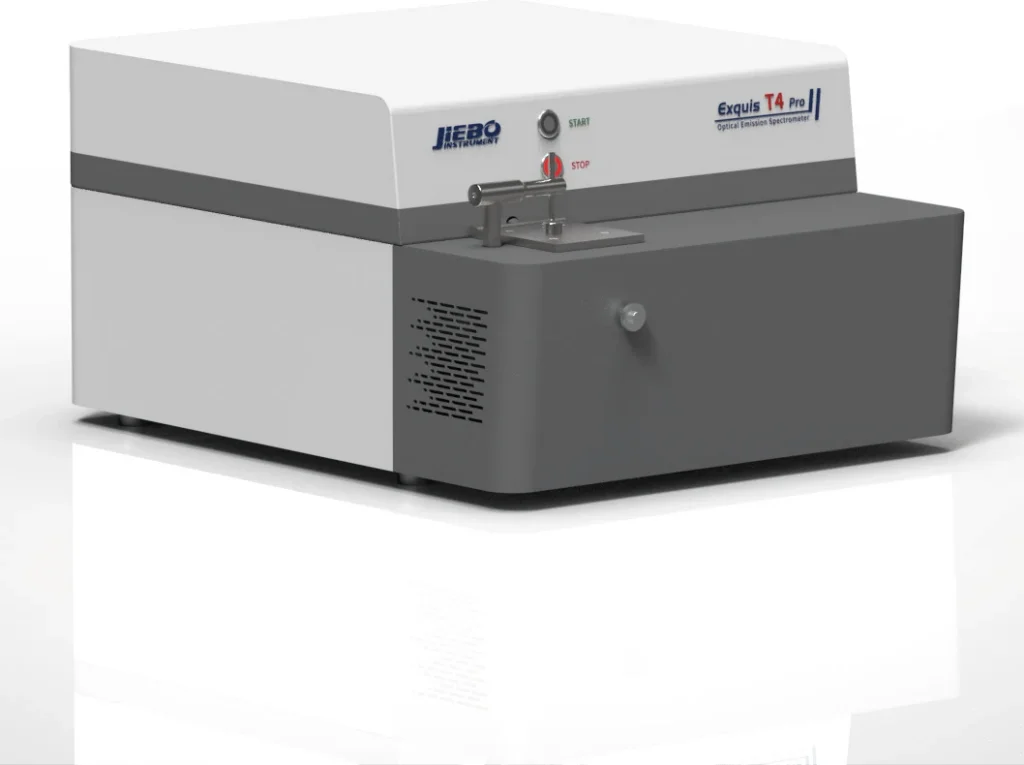
How it works
From your question to a reviewed result.
The usual sequence for a sample evaluation; timing and details are confirmed for your request.(待客户确认)
- 01Describe the task
Material, target elements, ranges and sample form, as far as you know them.
- 02Agree the question
Decide what the evaluation will answer and which configuration is assessed.
- 03Confirm sample arrangements
Recipient, shipping instructions, sample acceptance, timing and any charges.
- 04Sample prepared and measured
The agreed sample is evaluated on the agreed configuration.
- 05Review the result
Indicative timing: a reviewed result within 3–5 working days after the sample arrives.(待客户确认)
Share what you know
What to prepare before you make contact.
You can begin with some fields still open. Describe the practical task in your own words and mark anything uncertain.
- Testing goalThe decision the measurement supports: a material check, a production quality task or an identification requirement.
- Material or matrixThe material you work with and any known alloy or grade information.
- Elements and rangesThe elements of interest and the required ranges or limits, where known.
- Sample formShape, size, condition and how the sample will be presented.
- Intended useLaboratory, production area or a specified site.

Evaluation and result
What a good evaluation gives you.
A defined question
Before testing, we clarify the sample, the target measurements, the instrument configuration and the result you want to review.
Clear sample arrangements
You get the recipient, shipping instructions, acceptance, timing and any applicable charges, agreed before shipping.
A result with its conditions
Each result comes with the sample and configuration it relates to, what was evaluated and what it shows.
What comes next
From evaluation to an instrument proposal.
When the evaluation supports a configuration, the proposal covers the model, the calibration curves, the accessories and the purchasing and installation arrangements for your task.
Questions
Questions before you begin.
Do I need to select a model first?
No. Begin with the testing task, the material and what you know; a model can follow.
Can I send a report or customer sample information?
Start with a non-confidential summary and tell us if information belongs to a customer, so we can agree how to exchange details.
Is this a certification service?
This is technical evaluation to support instrument selection, separate from third-party certification or regulatory testing.
Start with your sample and your question.
Describe what you need to measure and what the evaluation should show. Share what you know; we work out the rest together.