
Application · Foundries
Metal composition analysis for foundries.
Start with the decision your test supports: checking an incoming material, controlling production quality, reviewing a finished casting or assessing a change in materials.
Describe the material, the elements you evaluate and how a sample is taken. We build the discussion around that task.
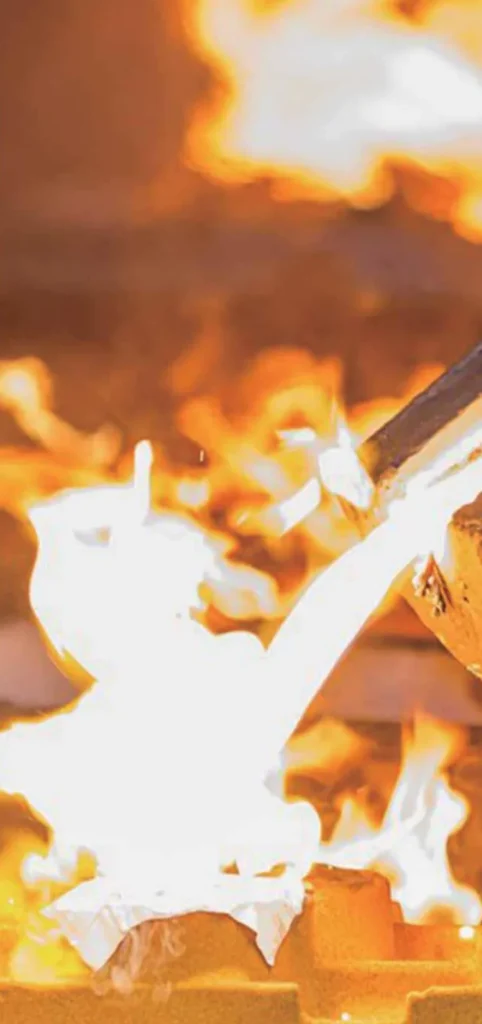
The testing question
Define the task before comparing models.
A foundry requirement becomes concrete once the decision, the material and the sample are named.
- Incoming material checksWhich materials arrive, what needs checking and what sample information is available.
- Production quality decisionsThe decision that depends on the result, the target measurements and the sample presented.
- Finished-casting reviewThe material, the question under investigation and how a sample can be taken or prepared.
- Added alloy or measurement needsWhat changes compared with current materials, elements, ranges or instrument setup.
- New laboratory or added capacityThe tasks, the operating location, the people and the equipment already in place.
Selection conditions
Put the selection conditions together.
Material and measurement target
The material or matrix, the elements of interest and the ranges or written requirements that matter, down to the grade where known.
Sample and presentation
JIEBO spark OES instruments analyze solid metal samples. Sample form, preparation, accessories and operating conditions follow from the proposed instrument.
Configuration and use
Calibration curves, accessories and site arrangements are set for the agreed task; optional items are listed per model in the product documentation.
Product lines
Three product lines for your foundry task.
Each line answers a different kind of foundry task.
Metal elemental analysis
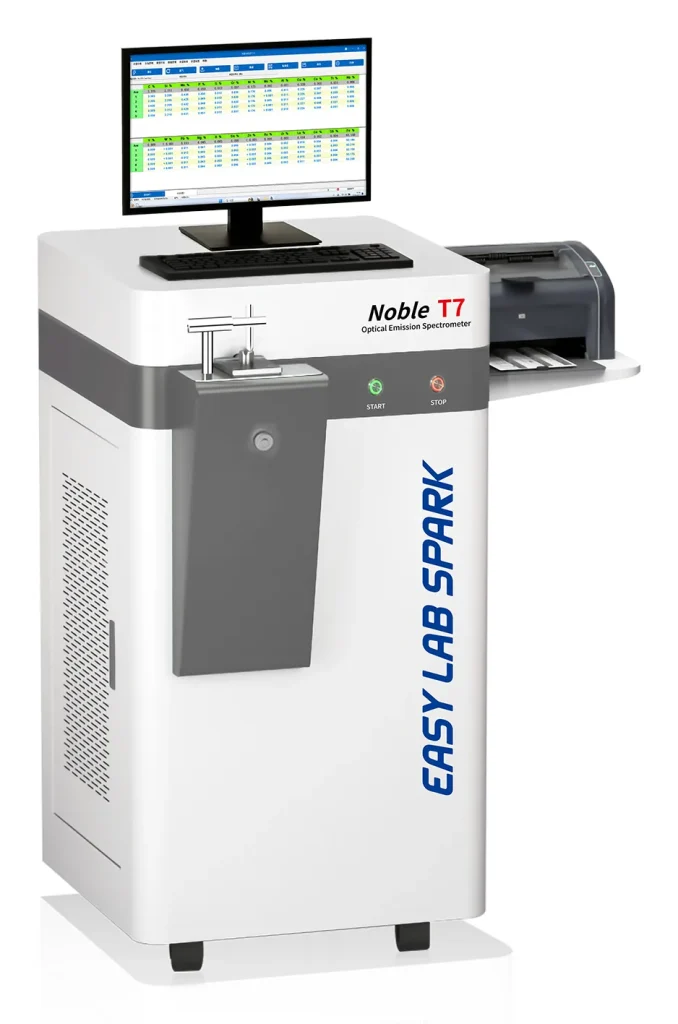
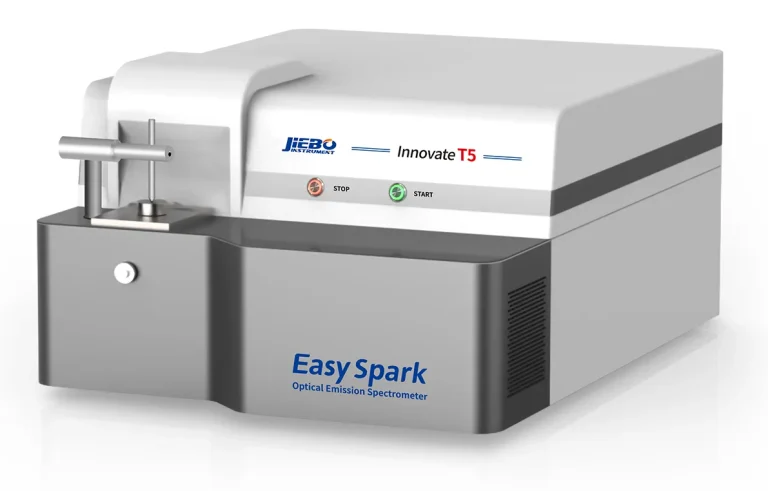
The Innovate T5 brochure names foundries among its users, and its three-side open excitation stage is described for samples with complex shapes. The Noble T7 is described for solid metal samples from trace to high-concentration levels.
Innovate T5Noble T7Spark OES instruments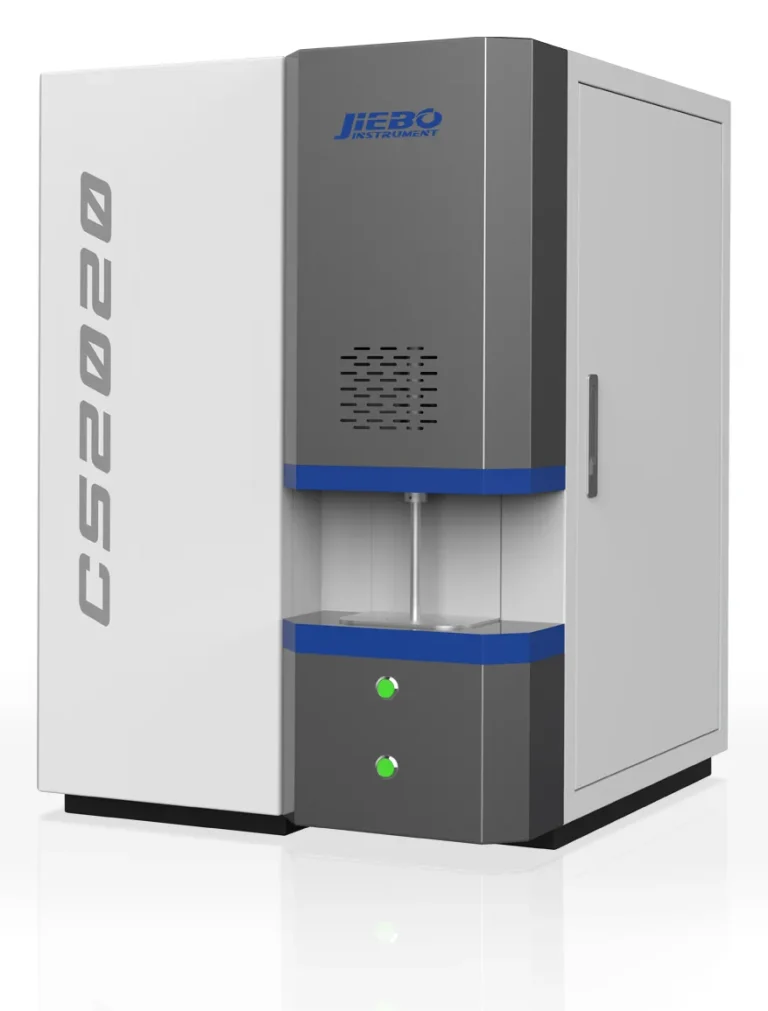
Carbon and sulfur tasks
High-frequency infrared analyzers for carbon and sulfur in steel, ores, finished metals and other inorganic materials.
CS2020CS995CS996Carbon-sulfur analyzers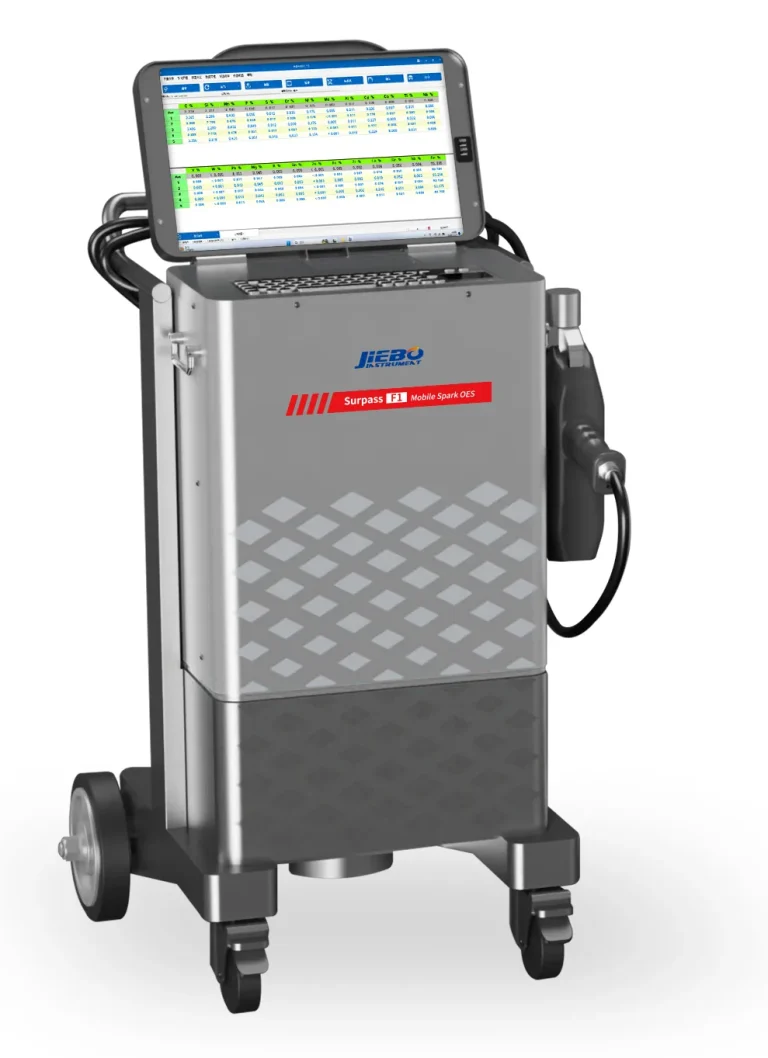
Testing at a specified location
A mobile spectrometer brings the analysis to a sample that is large or fixed.
Surpass F1Mobile spectrometerFrom sample to result
A usual path for a composition check.
Before choosing a configuration, clarify what is supplied, what is prepared at your site and who operates and maintains the instrument.
- 01Take the sample
A solid sample from the material or casting you need to check.
- 02Prepare the surface
Grinding machine and mini lathe are listed as sample-preparation options.
- 03Measure
Spark OES measurement with the argon supply set up for the instrument.
- 04Review the result
Read the result against your limits and the decision it supports.
Application records
Related application records.
Example records for this kind of task.
Application record
Composition Checks for a Foundry in Southeast Asia
A foundry organises sample preparation, measurement records and review before a melt decision.
Application record
Incoming Aluminium Alloy Checks for a Component Supplier
An automotive component supplier sets up composition checks for incoming aluminium alloy bar before machining.
Application record
Planning PMI for an Industrial Maintenance Team
An industrial maintenance team defines access, item identities and exception handling for a site inspection.
Knowledge
Articles to read next.
Choosing a Spark Optical Emission Spectrometer for Ferrous and Non-ferrous Alloys: A Practical Checklist Before You Compare Instruments
Start with the material, reporting task and sample conditions before comparing an instrument configuration.
Planning On-site PMI with a Mobile Optical Emission Spectrometer
Prepare the work area, sample access and reporting rules before moving a measurement task to site.
A Practical Workflow for Composition Checks at a Foundry
Build a traceable sequence from sample identification to the decision made from the result.
Bring your requirement into a technical discussion.
Send a short description of the foundry task, material, elements, ranges and sample form. Unknown details become points we clarify together.